Marketing campaigns that need attention at night cannot rely on print alone. This page covers where EL fits and how to brief it.
Small businesses need displays that survive repeat campaigns. Here is where EL pays back through reuse, low power draw and shelf-level attention.
Screen-printed light layers change what a poster can do: it glows, animates and can be reused. Here is how production differs from paper printing.
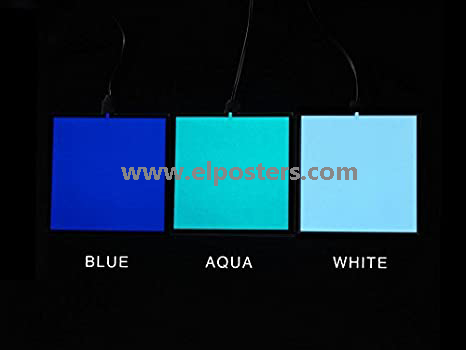
Two DIY routes exist for EL posters: build the panel yourself, or design the artwork and have it produced. This page compares cost, risk and finish.
Three checks prevent most costly EL mismatches: size against the mounting surface, power against the site, and brightness against the viewing distance.
EL and traditional posters differ on cost per campaign, brightness, durability and reuse. This comparison shows where each one wins, including where print still does.
Animated light is moving from novelty to retail standard. Here is what brands are doing with EL this season, and which effects survive production.
An effective EL poster is built on contrast ratio, stroke weight and a lit-zone budget. This page breaks down the numbers that decide whether it reads at three metres.
EL posters pay off in five measurable ways: reuse across campaigns, lower power draw, shelf attention, staff wayfinding and event visibility.

An EL poster lights its own artwork instead of being lit from outside. That single difference changes where it can be mounted and how it is powered.